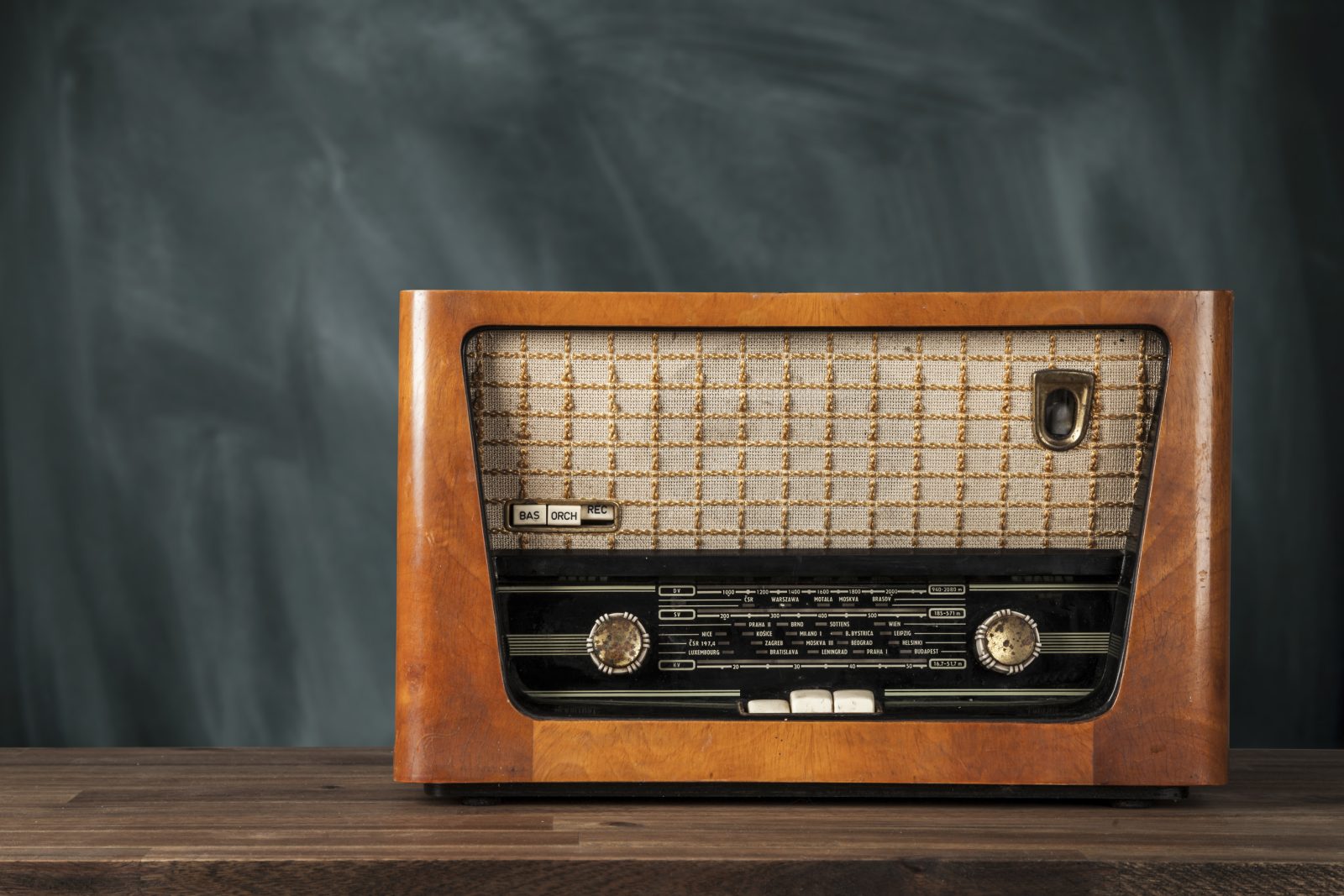
For decades, television and radio were the surest way to reach the largest possible audience. That assumption deserves a second look. The audience hasn’t disappeared it has moved, and a broadcast strategy built on yesterday’s viewing habits now reaches a shrinking share of the people you’re trying to serve.
The shift is no longer subtle. According to Nielsen’s The Gauge, streaming surpassed broadcast and cable combined for the first time in 2025, and by the end of the year accounted for roughly 47% of all U.S. television viewing. The screen looks the same. What’s playing on it, and how it’s bought, has fundamentally changed.
“Broadcast” now includes the screens broadcast used to own
Connected TV streaming delivered to the living-room screen has become a primary advertising channel, not an experiment. eMarketer projects CTV ad spending in the U.S. will exceed $33 billion in 2025, reflecting how quickly budgets have followed audiences onto streaming platforms. For an organization still thinking of “broadcast” as only network TV and AM/FM radio, that’s a large and growing audience going unaddressed.
The real advantage isn’t reach — it’s precision
Traditional broadcast bought reach: one message to everyone, measured in rough estimates. The streaming era keeps the reach but adds targeting that broadcast never had. A hospital system can reach households within its service area; a university can focus on regions where prospective students live; a destination can target travelers researching trips. The same screen now delivers a far more accountable buy.
Tip: Before renewing a traditional broadcast buy, ask your vendor for the actual audience delivered, not the estimated reach. Then compare it to a connected-TV or streaming-audio buy targeted to your real service area. The cost-per-qualified-impression often tells a very different story.
Don’t abandon broadcast — modernize the definition
This isn’t an argument to walk away from television and radio. Live sports, local news, and broadcast radio still command real, engaged audiences, and for some campaigns they remain the right call. The point is to stop treating “broadcast” as a fixed menu. The smart approach blends traditional and streaming, measures which actually reaches your audience, and shifts budget toward what performs.
The organizations that win attention today are the ones who followed their audience onto the platforms where it now spends its time — and stopped paying yesterday’s prices for yesterday’s reach.
At Romark Strategies, we help organizations rebuild their broadcast strategy around where audiences actually are. Let’s talk about modernizing your media mix.
Sources: “Connected TV is transforming advertising,” Nielsen, 2025 — nielsen.com; “US Ad Spending 2026,” eMarketer — emarketer.com.
Related Posts

Connected TV for Mission-Driven Organizations: Is It Worth It?