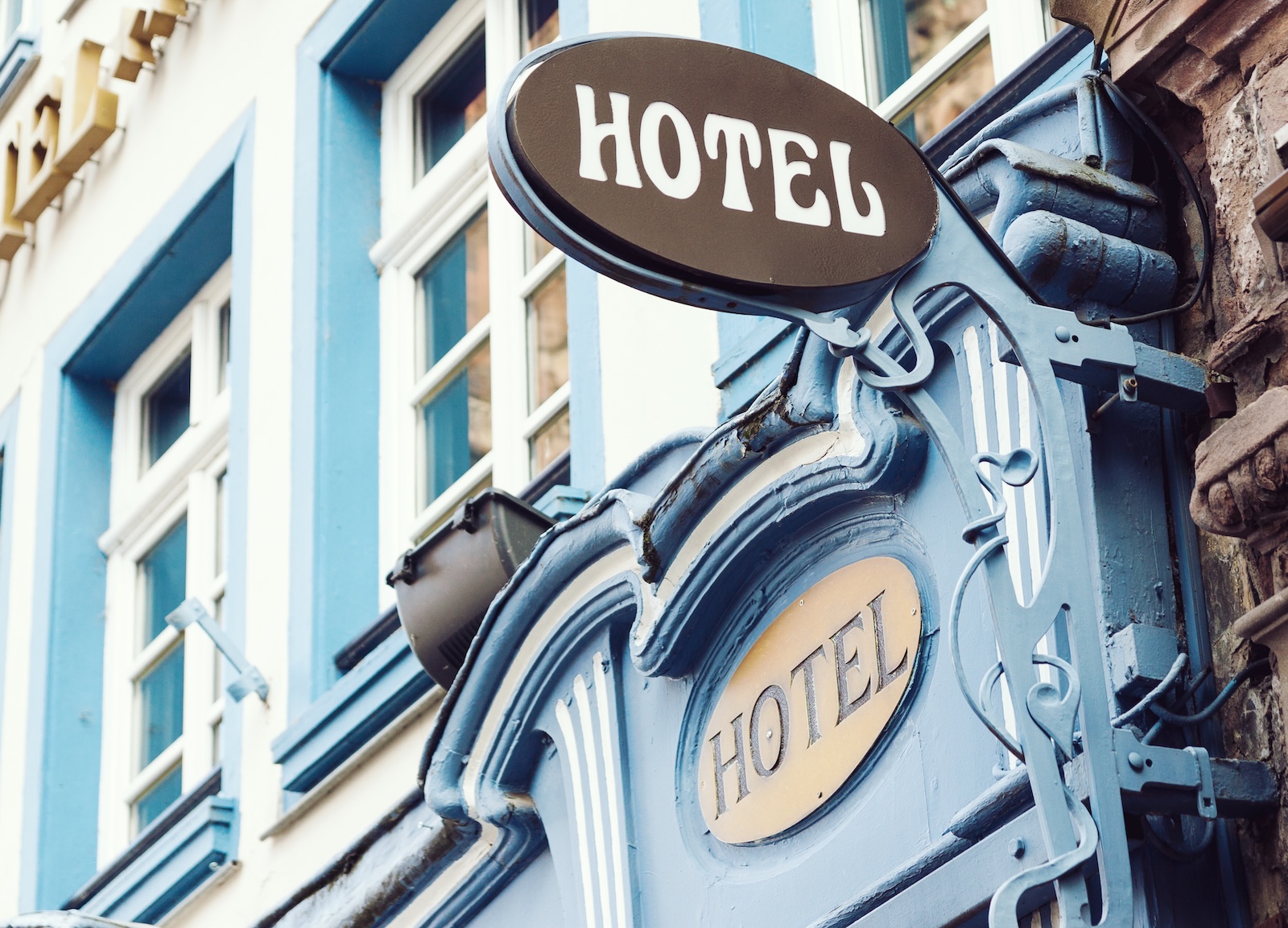
Most travel marketing budgets are aimed at the wrong moment. They concentrate on the booking, the bottom of the funnel, the last click before a reservation. But by the time a traveler reaches the booking screen, the real decision is usually already made. The competition for that trip was won or lost weeks earlier, in moments most brands never show up for.
Travelers now plan in fragments, mostly on their phones, and they research more before they commit than they ever have. Drawing on four years of Google Flights data, Google reported that U.S. searches for “best time to book flights” reached an all-time high in 2025, a measure of how much deliberation now happens before anyone reserves anything. The trip takes shape across dozens of small moments of searching, comparing, and imagining, long before the dates are set.
The booking is a lagging indicator
A reservation is the end of a story that started with a daydream. Someone saw a reel, searched “best time to visit,” read a few reviews, and pictured themselves there. Brands that only compete at the booking stage are fighting over travelers whose minds are already made up, usually on price, because nothing earlier gave them a reason to choose otherwise.
Win the dreaming and planning moments
Reaching travelers before they book means being useful when they are still deciding where to go. That is content that answers real questions, imagery that helps people imagine the experience, and a presence in search and video at the exact moment curiosity strikes. A destination, hotel, or tourism board that becomes the helpful voice during planning earns something a booking ad cannot buy: preference formed before price enters the conversation.
Tip: Audit where your marketing spend sits in the journey. If almost all of it targets people ready to book, you are paying to win travelers your competitors already convinced.
Be useful, not just visible
Visibility alone does not move a traveler. Usefulness does. The brands that win answer the question being asked, in the format the traveler is using, at the stage they are in. Do that consistently, and you stop competing on price at the end and start shaping the decision at the beginning.
At Romark Strategies, we help travel and hospitality brands show up where the trip is really decided. Let’s talk about reaching travelers before they book.
Sources: “Ready, set, jet: Trends and tips for 2025 holiday travel,” Google, 2025: blog.google.
Related Posts
What Should a School or University Include in Its Enrollment Marketing?
Healthcare Marketing on a Limited Budget: Where to Start